
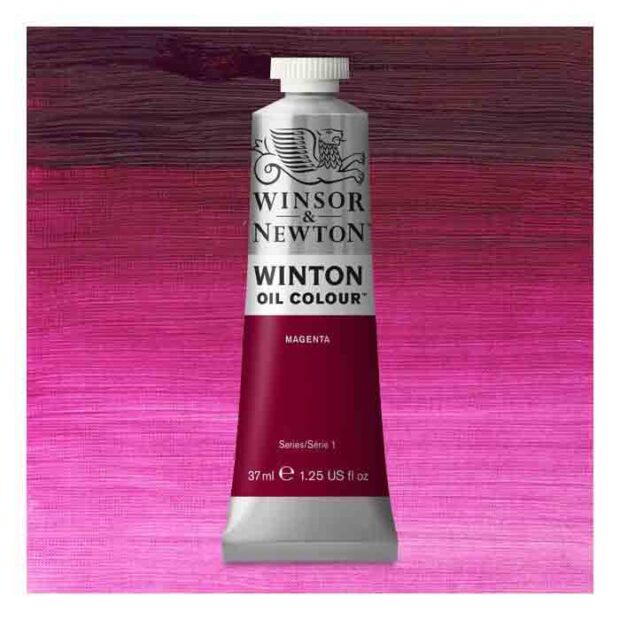
Magenta & zinc white oil paint
Magenta is a lightfast organic pigment with clear bluish overtones that show along like a glaze. It makes a nice variety of decadent, strong cool pinks that evoke rich satins when turned into hues. Once mixed with yellow lakes, the effect is a set of remarkably warm gingery oranges, or when mixed with translucent oxide red, the special shades of alizarin can be almost exactly reproduced. Mix my Ultramarine Blue with other colors to make beautiful purples.
Want to know more about art gallery websites? Read more now.
Zinc white oil paint
Since the 18th century, Zinc White (PW4) has been used in artist paints as a cool, semi-transparent white pigment made of zinc oxide. It’s commonly used in paints branded as Mixing White and Transparent White, and it’s also used to enhance the handling properties of Titanium White (PW6).
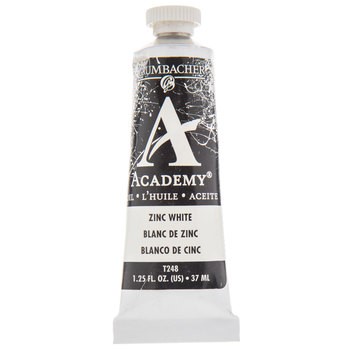
Zinc Oxide‘s use in oils (Magenta & zinc white oil paint) has gotten a lot of press recently, particularly both for its potential to increase the rate and degree of embrittlement, cracking, and cleavage of oil paint films. On both sides, passionate positions have been staked out, with numerous reports cited and pored over in search of proof that either everything is about to collapse and break, or that the fears are overblown and incorrect. But, of course, there is a more measured middle route through this sometimes-pitched war – watchful and cautious analysis, erring on the side of caution wherever possible, and, most importantly, maintaining perspective and not overreacting.
Since its introduction in the 18th century, Zinc White (PW4) has played a crucial role in the world of artist paints, serving as a cool, semi-transparent white pigment composed of zinc oxide. This pigment, often featured in paints labeled as Mixing White and Transparent White, has also found a niche in improving the handling properties of Titanium White (PW6), further contributing to its widespread use in the art community.
Speaking of Magenta & zinc white oil paint, in recent times, the utilization of Zinc Oxide in oil paints has garnered significant attention and sparked intense debates. The focus has primarily been on its potential impact on the structural integrity of oil paint films, with concerns raised about increased embrittlement, cracking, and cleavage. The discourse surrounding this issue has been characterized by passionate positions on both sides, with proponents presenting various reports to substantiate their claims. As the art world grapples with these conflicting perspectives, the question of whether everything is on the verge of collapse or if the fears are exaggerated remains at the forefront of discussions.
Amidst the fervor of this sometimes-pitched war, a more measured and nuanced approach emerges. It calls for watchful and cautious analysis, urging individuals to err on the side of caution whenever possible. This approach emphasizes the importance of maintaining perspective and avoiding overreactions based on extreme viewpoints. Striking a balance between the potential risks and benefits of Zinc Oxide in oil paints is crucial for artists, conservators, and the broader artistic community.
The concerns regarding the impact of Zinc Oxide on oil paint films are not unfounded. Some reports suggest a potential association between the use of Zinc Oxide and an increased susceptibility to embrittlement, cracking, and cleavage in oil paintings. However, it is essential to approach these findings with a critical eye, considering the multitude of factors that can influence the behavior of oil paints.
One aspect of the debate revolves around the interaction between Zinc Oxide and other components in oil paints (Magenta & zinc white oil paint) , particularly Titanium White. Zinc White is known to enhance the handling properties of Titanium White, offering a complementary relationship between these two pigments. Artists and conservators must carefully weigh the advantages of this enhancement against the potential risks associated with the use of Zinc Oxide.
A pragmatic approach involves conducting thorough research, considering the specific formulations of paints, and acknowledging that not all Zinc Oxide-based paints are created equal. Variations in manufacturing processes, pigment particle sizes, and overall composition can impact the behavior of the paint film. Therefore, a blanket condemnation or endorsement of Zinc Oxide in oil paints oversimplifies a complex issue.
In conclusion, the discourse surrounding the use of Zinc Oxide in oil paints is multifaceted and requires a balanced perspective. The passionate debates on either extreme must give way to careful analysis. Artists and conservators alike should remain vigilant, continuously assessing the available evidence, and adopting a measured approach that prioritizes the long-term stability of artworks. While the concerns are valid, it is crucial to avoid overreactions and instead foster an informed and nuanced understanding of the role of Zinc Oxide in the world of artist paints.




7 Comments. Leave new
[…] Want to know more about Magenta & zinc white oil paint? Click here […]
[…] Want to know more about Magenta & zinc white oil paint? Click here […]
[…] Want to know more about Magenta & zinc white oil paint? Click here […]
Have you ever considered about including a little bit more than just your articles? I mean, what you say is important and everything. However think about if you added some great graphics or video clips to give your posts more, “pop”! Your content is excellent but with pics and video clips, this site could undeniably be one of the very best in its field. Great blog!
Dear Frankisody
many thanks for your fruitful comment, my team are working to do so and add some more better graphics to the content. If you have any other idea about my website feel free to contact me.
World Top News Sites,Where you can post your content to promote your website.
Here is some websites
https://www.topworldnewstoday.com/
https://www.nytimesnewstoday.com/
https://www.cnnworldtoday.com/
https://www.rtnewstoday.com/
https://www.aljazeeranewstoday.com/
Don’t hesitate to contact me.
Regards
Dear Mahmood
Thanks for your information….